ESTATE

Weingut Vollenweider was founded in 2000 by Daniel Vollenweider – with little more than one hectare of vines in the Wolfer Goldgrube and a strong determination to produce the best wines that our terroir can offer – a passion that continues to drive us to this day.

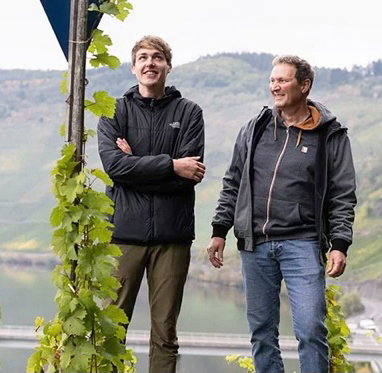
Since 2019, the winery has been jointly managed with Moritz Hoffmann, who has been continuing its story together with Vinzent Ewest since 2025.

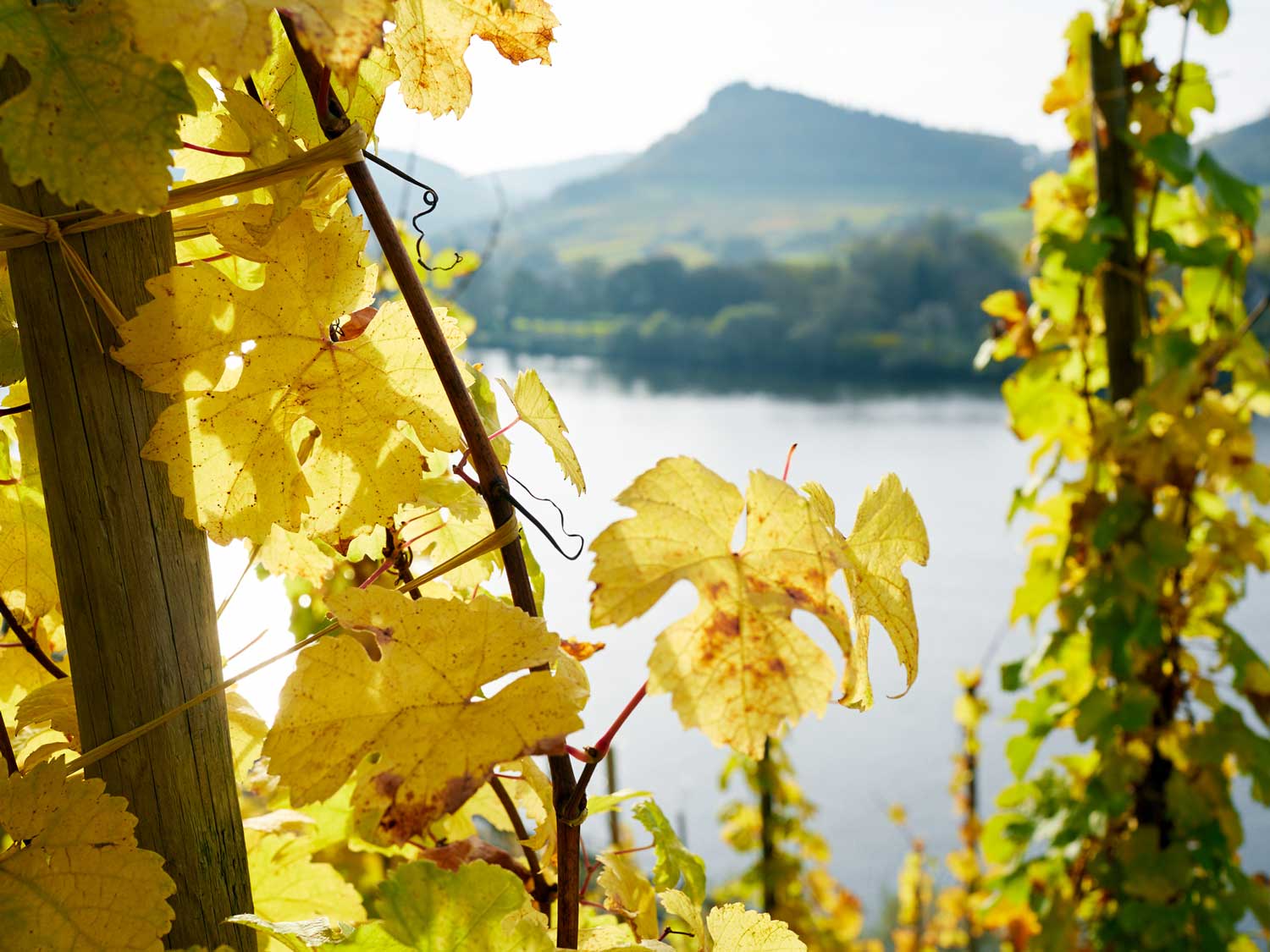
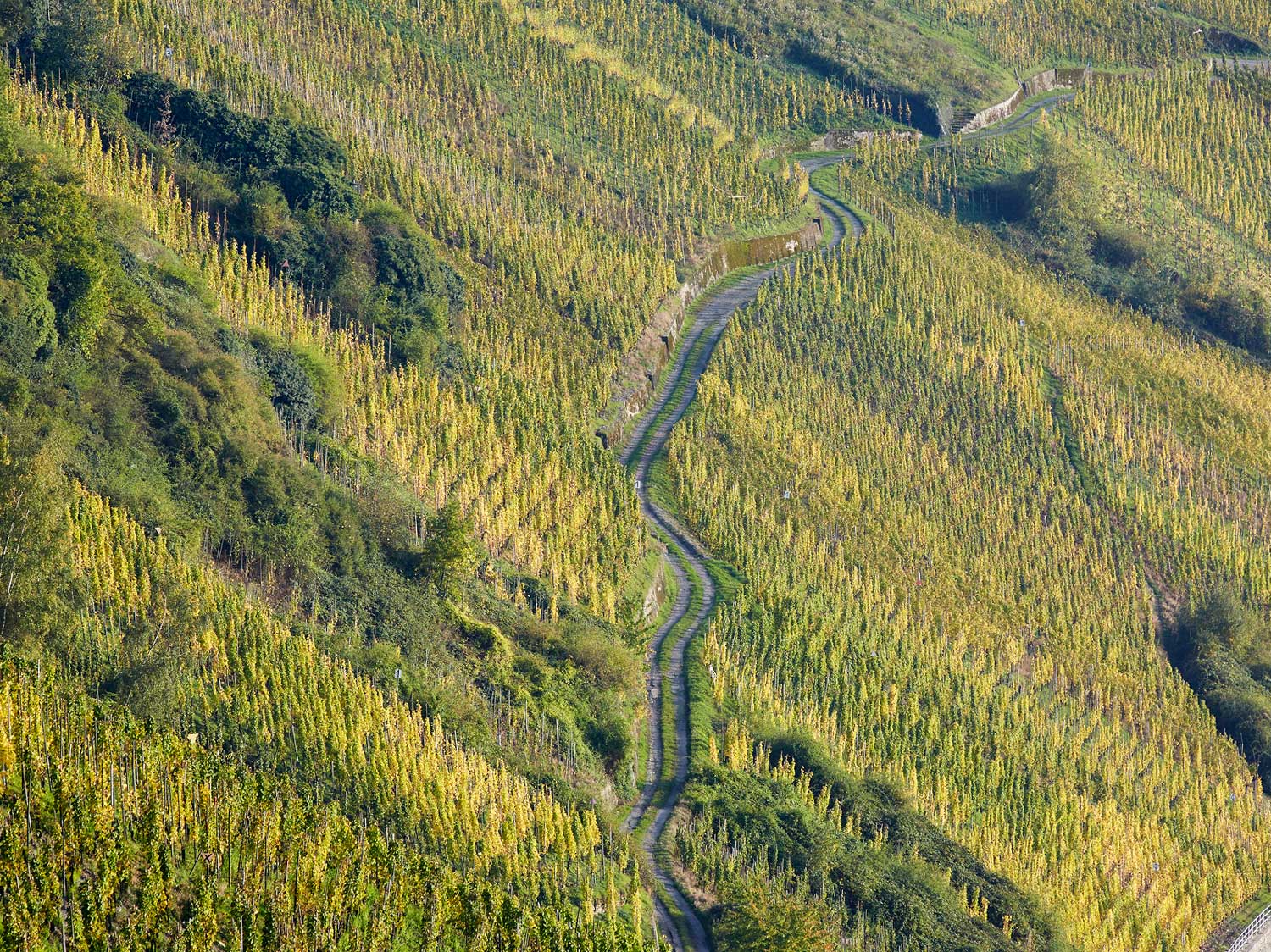
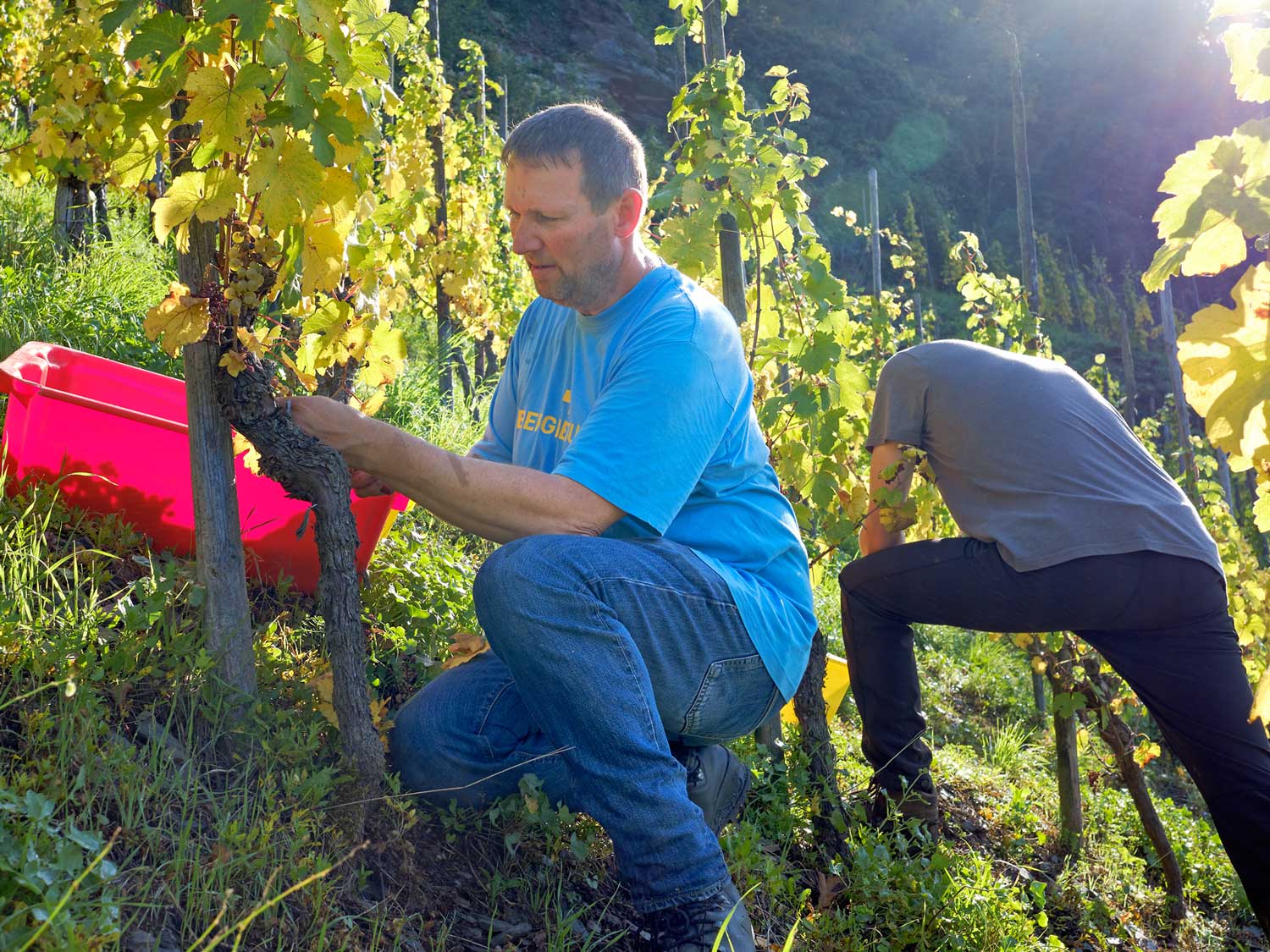
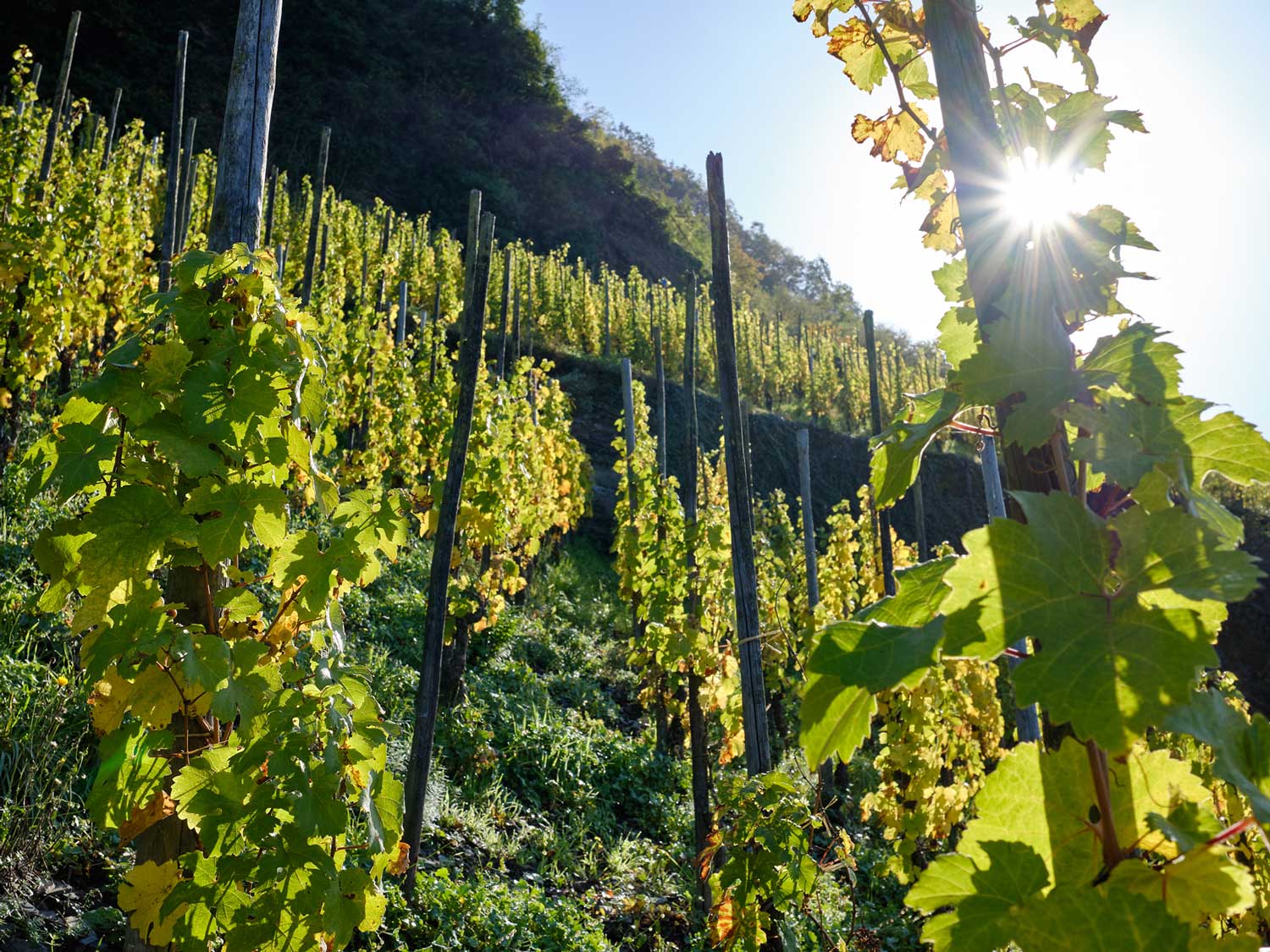
Steep slopes with partly ungrafted Riesling vines, some over 100 years old and still trained in the traditional single-stake system, shape our vineyards. Cultivation is organic and certified. We deliberately avoid the use of chemically synthesized sprays, herbicides, insecticides, and genetically modified substances. Intensive manual work, 100% hand harvesting, and meticulous vine care define our approach, as does a particularly gentle vinification in large oak casks and stainless steel. Fermentation takes place through indigenous yeasts, followed by extended lees ageing.

We focus on mineral-driven wines that express themselves less through fruit and more through salinity and structure.

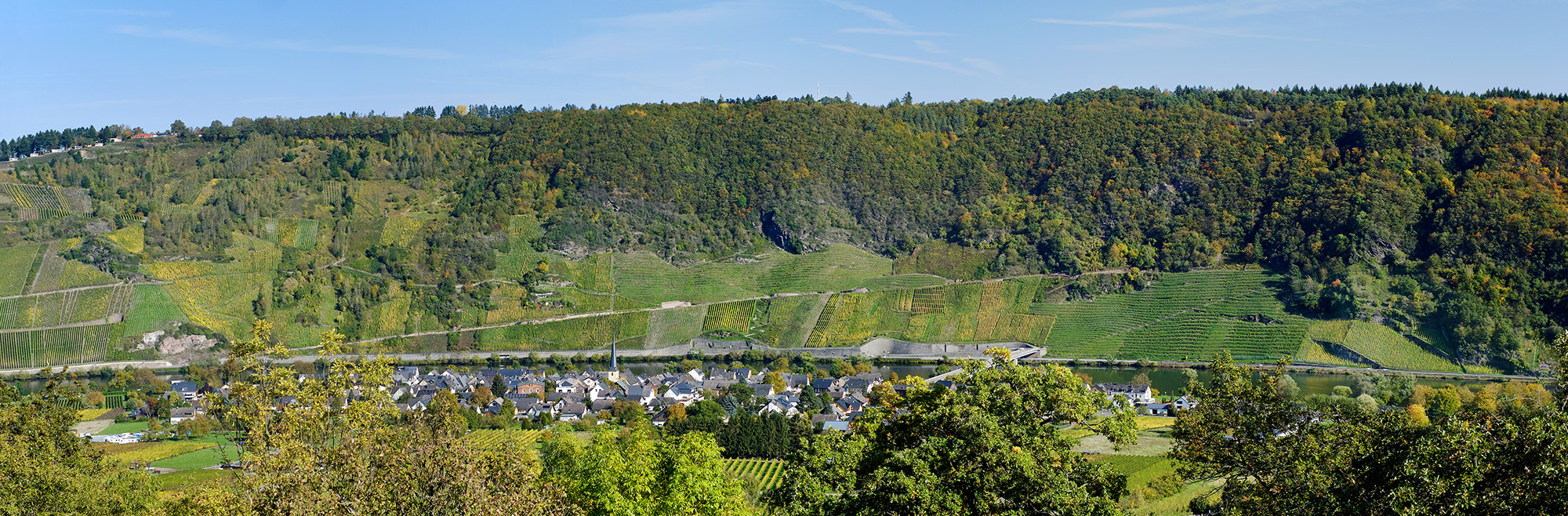
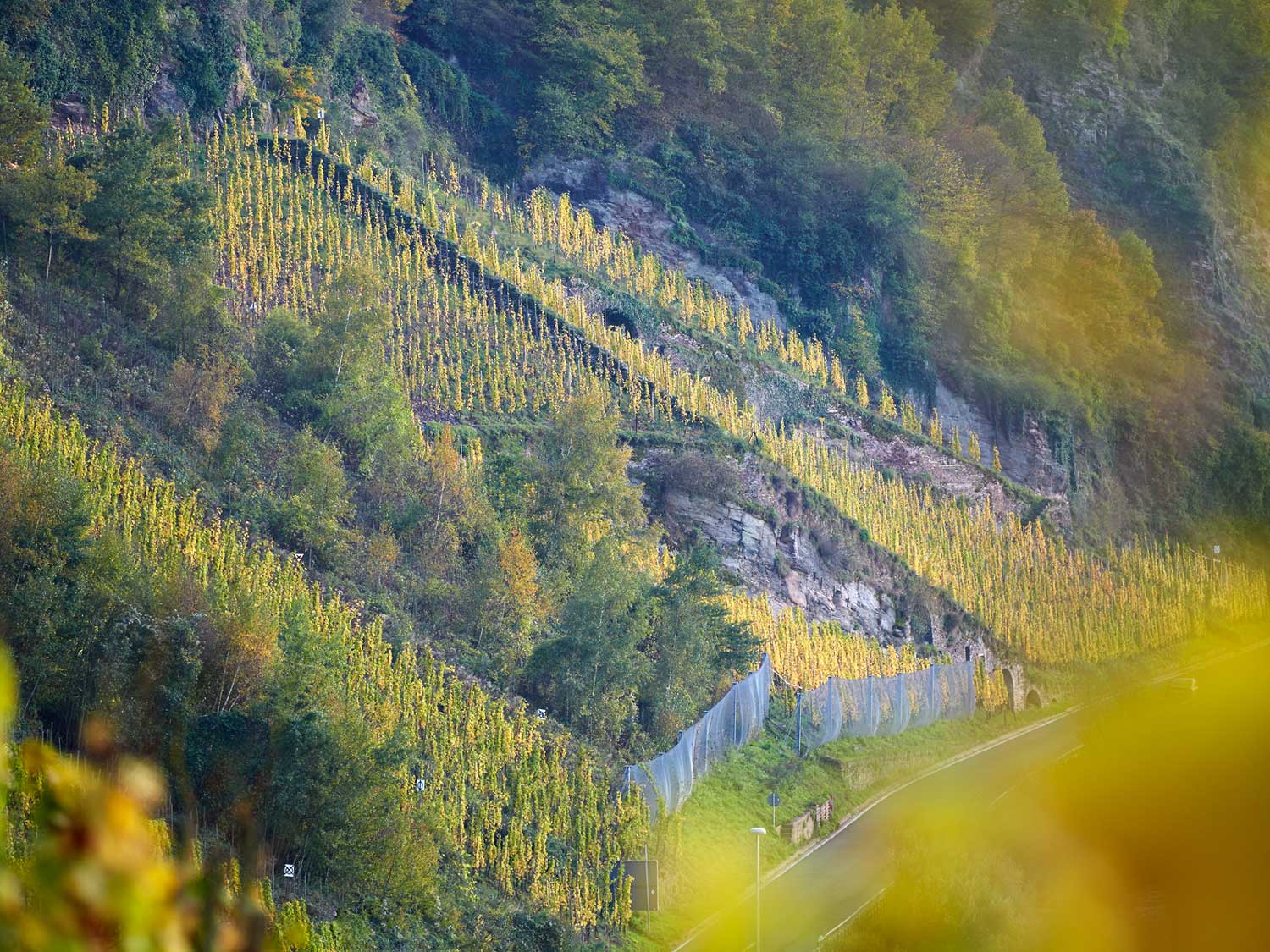
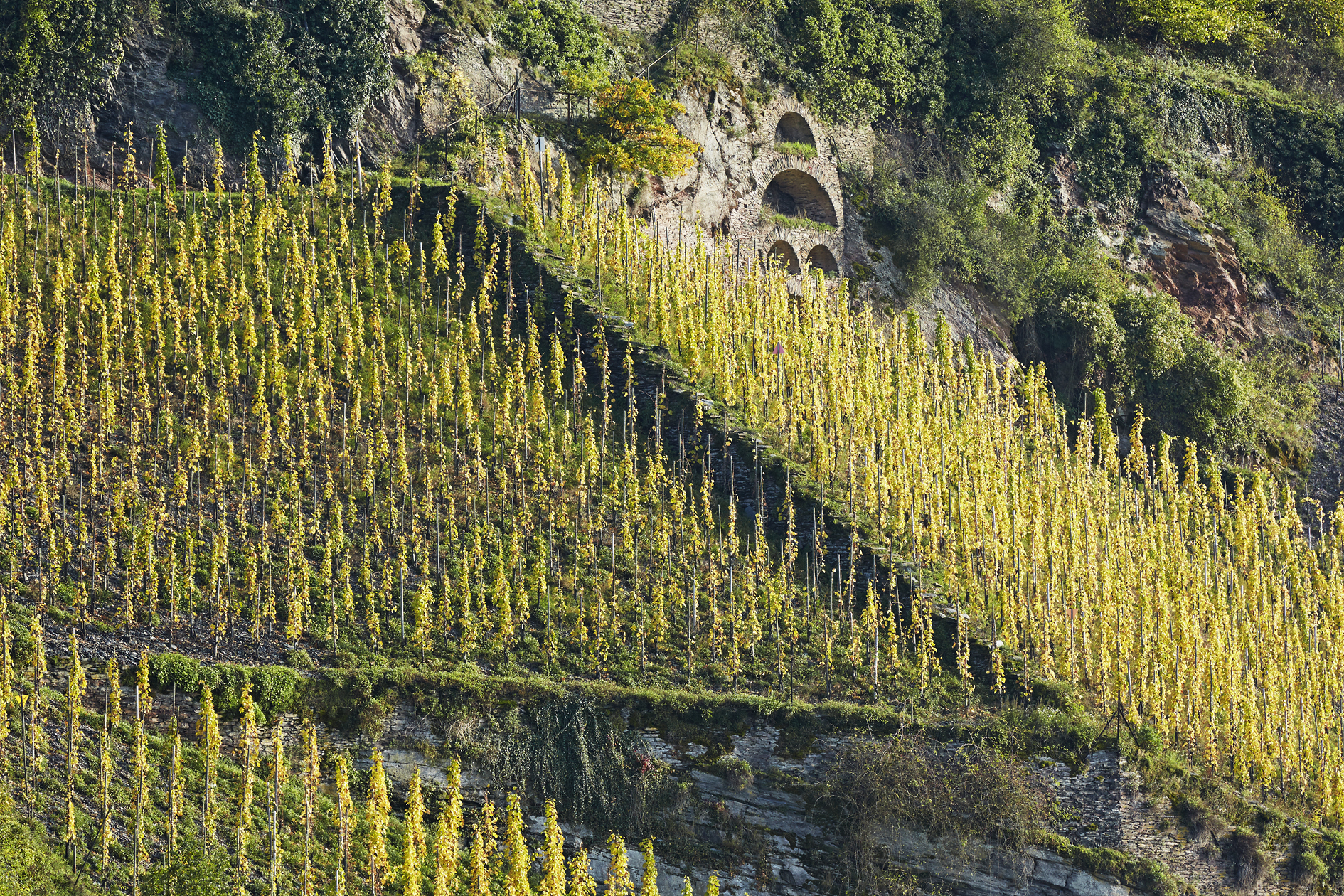
The largely non-flurbereinigte (land consolidation)  parcels are spread over five hectares along the Mosel -95% within the Wolfer Goldgrube . These very old, own-rooted vines produce dry, off-dry, and noble sweet wines, impressively demonstrating the potential of the vineyards around the traditional wine trading town of Traben-Trarbach.

Our aim is to craft distinctive wines that clearly reflect both origin and vintage. Respect for the interconnections of nature, as well as an understanding of the impact of external influences on the vines, form the foundation of our work.

Dot-3 Dot-3

WINES

Since 2024, our dry wines from the Wolfer Goldgrube have been classified according to individual parcels (Unterste Jonpfad, Im Schöttel, Im Reiler). Each parcel has its own distinct character and quality. Kabinett, Spätlese, and Auslese are traditionally vinified with residual sweetness.

Our dry estate wine MOSEL RIESLING comes from slate-rich steep vineyards in and around Traben-Trarbach on the Mosel, our home. The grapes partly originate from the Wolfer Goldgrube, partly from old vines of the Trarbacher Burgberg, which contribute freshness, structure, and precision, as well as from the south-facing Kröver Steffensberg. Its blue slate soils lend the wine early accessibility and an open, inviting character. All grapes come exclusively from our own vineyards.

The dry wine UNTERSTE JONPFAD comes from a parcel in the Wolfer Goldgrube that was recultivated and replanted by winery founder Daniel Vollenweider. It is located directly adjacent to the Schimbock site. It is planted exclusively with Riesling derived from massal selection from old, own-rooted vines of the Goldgrube and the Schimbock – exceptional plant material that carries the genetic heritage of these historic vineyards. This cool, west-facing site is dominated by grey slate with only a small proportion of red slate. A particular natural advantage is provided by two small springs that emerge from the rock above the vineyard, ensuring a constant and gentle water supply. Even in the hottest summer months, the vines therefore never suffer from drought stress. Framed by forest and shrubs, moisture is retained in the soil and slowly released again, further enhancing the cool microclimate. The soil is comparatively deep and fertile and can best be described as a living, healthy garden – ideal conditions for juicy, expressive wines.Wines from the Unterste Jonpfad are characterised by a herbal, spicy freshness and a vibrant yet mature acidity. They show a distinct energy and impressive precision.The name “Unterste Jonpfad” (literally “lower path of Jon”) refers to an old vineyard path that is still visible today and once led down the slope from the upper hillside to a former ferry landing on the Mosel.

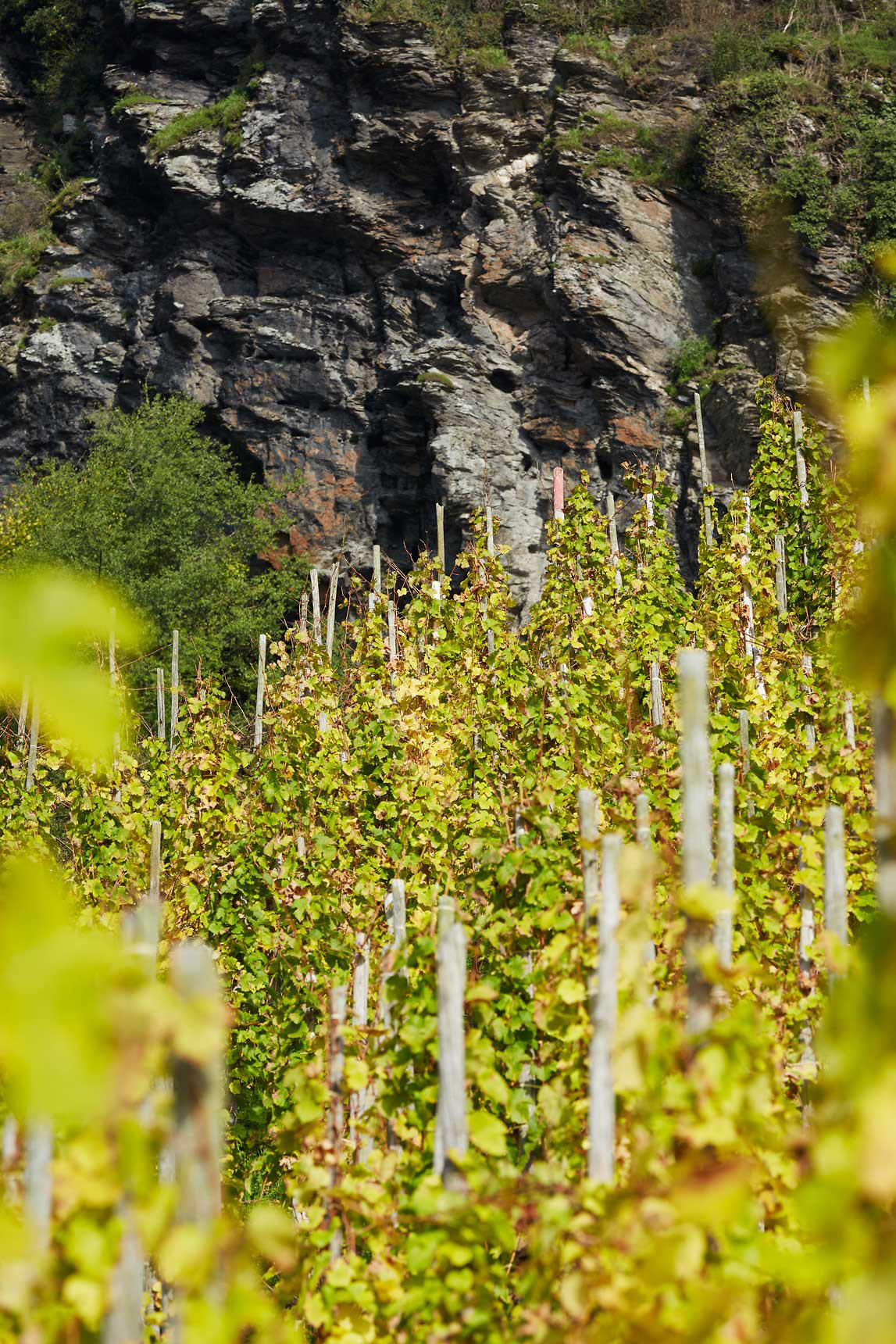
The dry wine IM SCHÖTTEL comes from a parcel called Im Schöttel which is in the Wolfer Goldgrube. It lies higher than the Unterste Jonpfad and is oriented more towards the southwest. The vineyard sits directly beneath a striking, towering rock face that not only shapes the landscape but also has a decisive influence on the character of the site. The name “Im Schöttel” derives from the term “Schüttung,” meaning scree or rock debris, and refers to the continuous movement of stones that have broken off from the cliffs above and accumulated in the vineyard over time. In contrast to the Unterste Jonpfad, this site is significantly drier and more exposed to the sun. The soil is extremely stony and dominated by raw grey slate. At the same time, the vineyard benefits from long hours of sunshine. Even after sunset, the rock face releases the heat stored during the day, creating a warm and sheltered microclimate. The wines from “Im Schöttel” vividly reflect this unique environment: they are saline, powerful, and dense, with a dark, intense minerality, while always maintaining the freshness and precision of a cool-climate style.

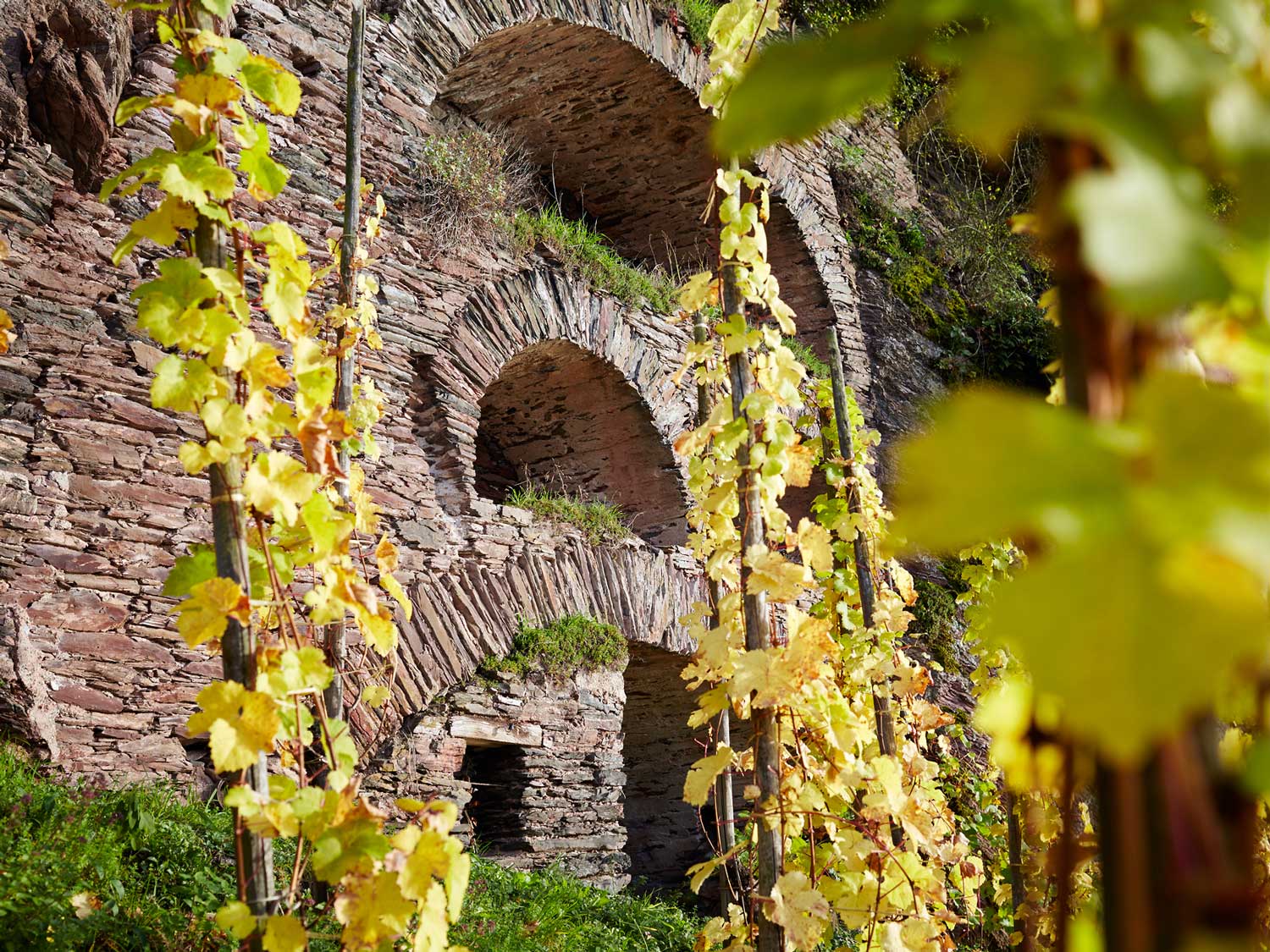
The dry wine IM REILER comes from an exceptionally old parcel called im Reiler in the Wolfer Goldgrube that has never undergone vineyard consolidation and has likely remained in its original form for centuries. It is cultivated entirely by hand, without the use of machinery. Directly below the vineyard lie the remains of an ancient Roman press – a striking testament to the long history of winemaking at this site. Located in the heart of the Wolfer Goldgrube and facing southwest, the site is enclosed by the surrounding slopes like a natural amphitheatre. The wine is made exclusively from old vines, in some years also including a proportion of own-rooted plants that are up to 100 years old. The soil consists of grey slate, and yields are naturally very low, as the vines have found a perfect equilibrium over time. The resulting wines are deep and complex, with a dark, saline core, while still retaining a distinctive finesse and lightness that defines their balance.


The dry wine IM REILER WURZELECHT is a selection of the oldest, own-rooted individual vines within the “Im Reiler” parcel (“wurzelecht” means growing on its own roots). These are very old vines that were not affected by phylloxera crisis in 1870 -1900. Viticulture here has been practiced for centuries according to a concept of “perpetual” cultivation: when a vine dies, only that single vine is replaced – entire vineyards have never been cleared, as is common today. Over generations, this has created a living mosaic in which vines of very different ages stand side by side – some well over 150 years old, others around 80 years. For this wine, only the oldest vines are selected and vinified separately. Some of these ancient plants bear no fruit at all in certain years and survive solely on their foliage; in other years, they produce just a single cluster. They are original, almost archaic vines whose wines require time and patience to fully reveal their depth.

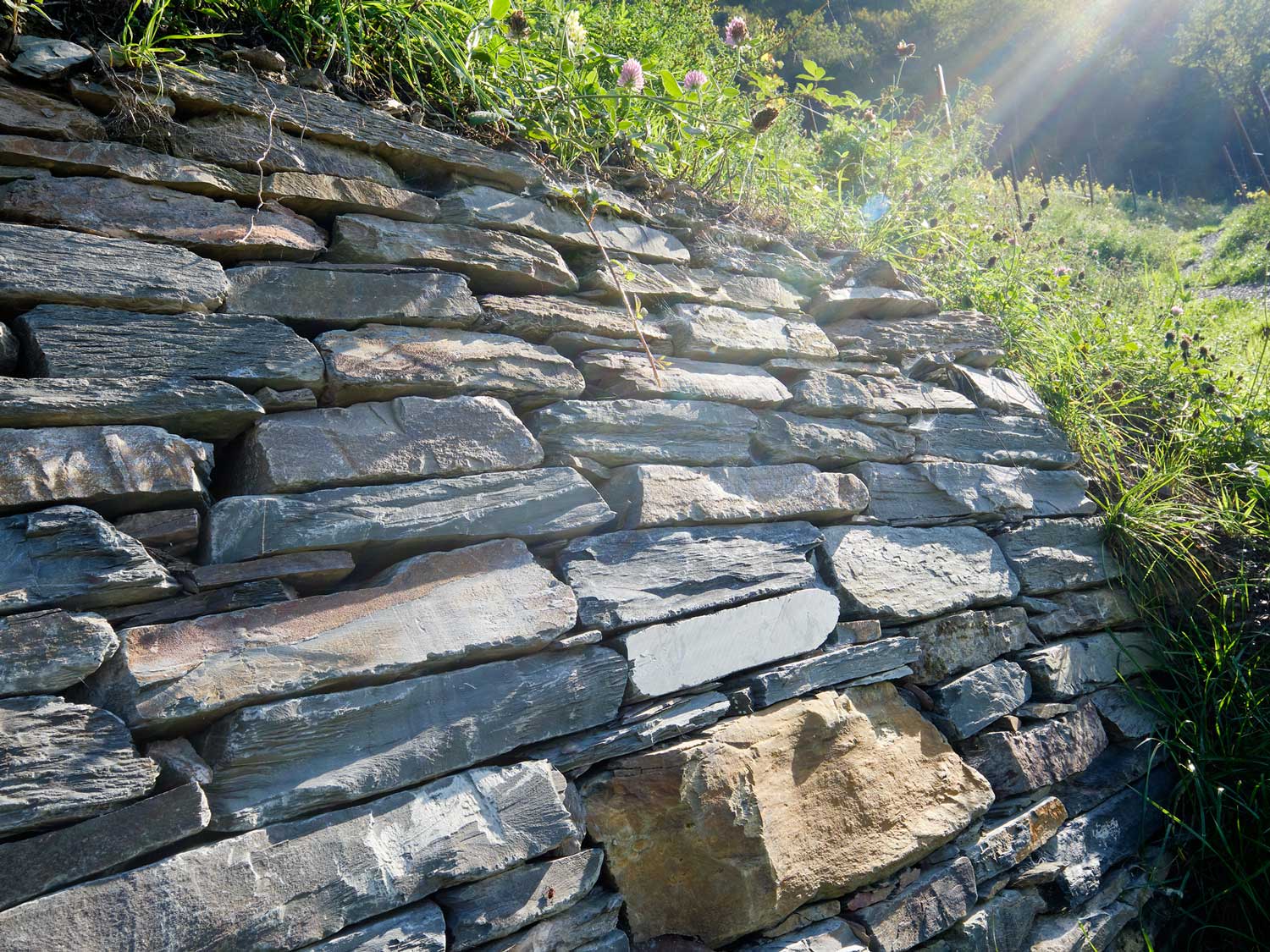
Our 0.5-hectare MONOPOLE vineyard, the TRABENER SCHIMBOCK, lies directly adjacent to the Wolfer Goldgrube and is west-facing. Geologically, it differs significantly from its neighbouring site: here, red slate dominates, producing wines of powerful depth and a broad, expressive structure – in contrast to the more linear precision of the Goldgrube. The vineyard is planted 100% with own-rooted vines that are over a century old. Their deep roots and naturally low yields give the wines concentration and character. Framed by distinctive dry-stone walls, this site rises like a monument within the landscape – a fusion of history, terroir, and artisanal tradition.

Wolfer Goldgrube Kabinett

This wine comes from the western, coolest part of the Goldgrube, where freshness and precision are naturally preserved. At the same time, the wine shows notable depth and power, shaped by the old vines of this site.

The result is a finely balanced interplay of cool elegance and inner intensity – an authentic expression of this exceptional parcel.


Wolfer Goldgrube Kabinett Wurzelecht

This wine also originates from the same parcel as the classic Goldgrube Kabinett. Within this site, however, lies an extraordinary mosaic of the smallest sub-plots – some barely larger than 100 square metres – that have been cultivated and planted differently over generations. Here, own-rooted and grafted vines grow side by side, each telling its own chapter in the long history of this vineyard. The Wurzelecht selection – comparable to the dry Im Reiler Wurzelecht – is a strict selection from the oldest own-rooted vines within this parcel. It represents the purest expression of this historic site. The wine shows extraordinary finesse and a filigree structure, almost ethereal in its precision. It is a wine of quiet depth and remarkable longevity, made to evolve over decades. It powerfully illustrates how essential it is to preserve the ancient genetic lineages of Riesling.


Trarbacher Burgberg Kabinett

The west-facing Burgberg lies directly beneath the ruins of an old castle, nestled in a side valley of the Mosel in the Trarbach district. This distinctive site is influenced by cool downdrafts from the Hunsrück, creating pronounced diurnal temperature shifts. These climatic conditions allow full ripening of the grapes while preserving a vibrant, lively acidity. The result is wines of great clarity and freshness – precise, linear, and full of invigorating tension. An ideal origin for pure, animating Kabinett wines.

Wolfer Goldgrube Spätlese

Depending on the vintage, the Spätlese is sourced from different parcels within the Wolfer Goldgrube. In warmer years, the focus lies on the cooler western sections, while in cooler vintages, the south-facing sites are included more prominently. This flexible selection allows for an ideal balance between full ripeness and vibrant freshness. Each vintage is made exclusively from own-rooted vines, lending the wine depth, complexity, and a finely layered structure – a precise expression of both origin and year.


Wolfer Goldgrube Auslese

This wine is only produced in selected years when conditions are perfect for noble rot. It is made exclusively from botrytised grapes, carefully selected berry by berry by hand. The high concentration within the berries results in an intensely sweet wine, whose structure and lively acidity nonetheless give it remarkable freshness and a perceived sense of dryness on the palate. A wine of great density, depth, and elegance.

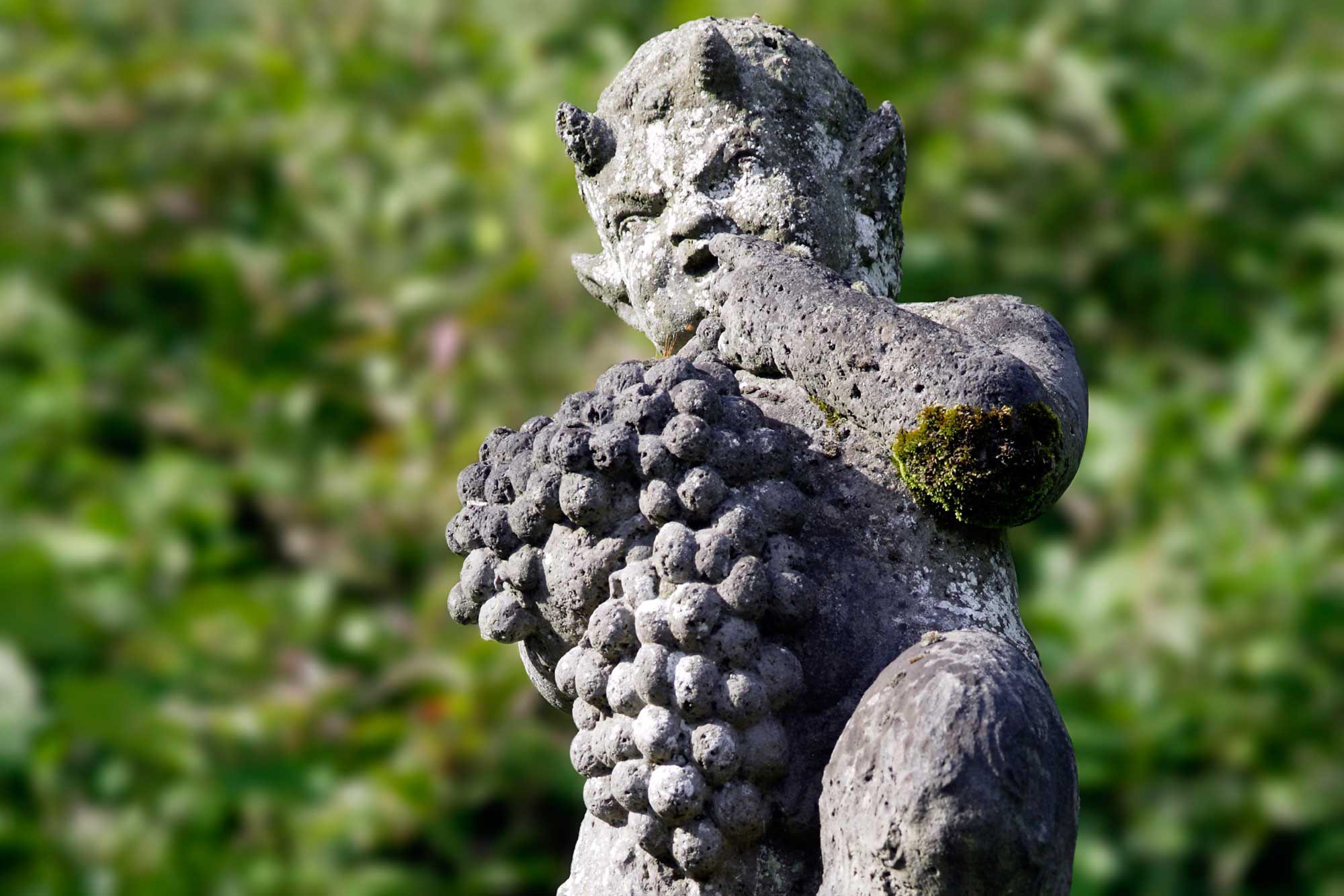
The idea for this sparkling BLANC DE BLANCS wine was born with the acquisition of a small Pinot Blanc parcel in the Wolfer Goldgrube in 2018. In addition, further suitable sites were selected, including two Chardonnay parcels – one in nearby Briedel on classic Mosel slate, and another in Nittel on the Upper Mosel, where limestone soils prevail. In cooler vintages, a small proportion of Riesling from our coolest site, the Trarbacher Burgberg, is also included in the blend. Our sparkling wine is produced in very small quantities and only in years when conditions allow for an ideal balance between ripeness and acidity. The respective cuvée number – always indicated on the back label – represents an individual composition of sites and grape varieties, which can vary significantly from year to year. The label features our estate’s patron, Pan who is the Greek god of shepherds, forests, and wild nature, often shown with goat legs and horns. He is symbolizing music, fertility, and the untamed wilderness. You can find his statue above the archway at the entrance of the old estate building.

Dot-3 Dot-3

VINEYARDS

south-west facing

Our steep vineyards and individual parcels in the Wolfer Goldgrube and Trabener Schimbock at a glance.

west facing

1
2
3
4

contact

We kindly ask for your understanding that tastings are only possible by prior appointment.

Weingut Vollenweider GbR

Moritz Hoffmann

phone: +49 6541 8645074

Mail:  mail@weingut-vollenweider.de

Adress:

Wolfer Weg 53
56841 Traben-Trarbach
Germany

DE-ÖKO-039

Sende us a mail